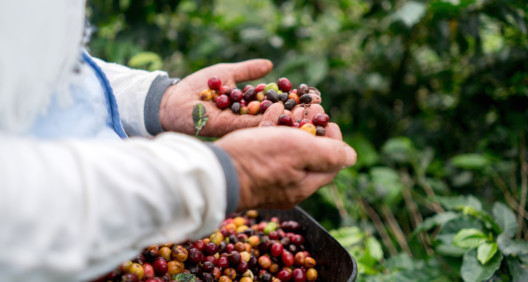
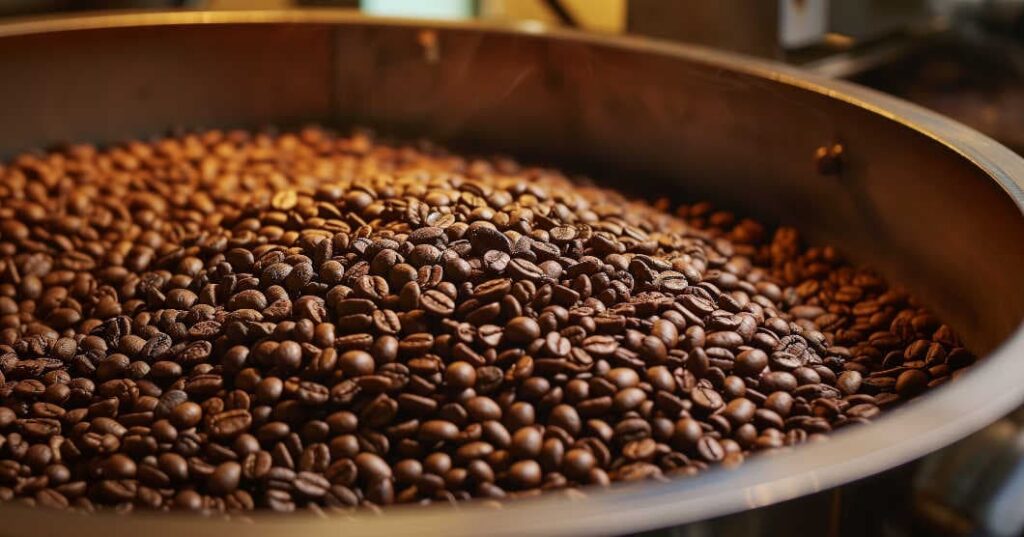
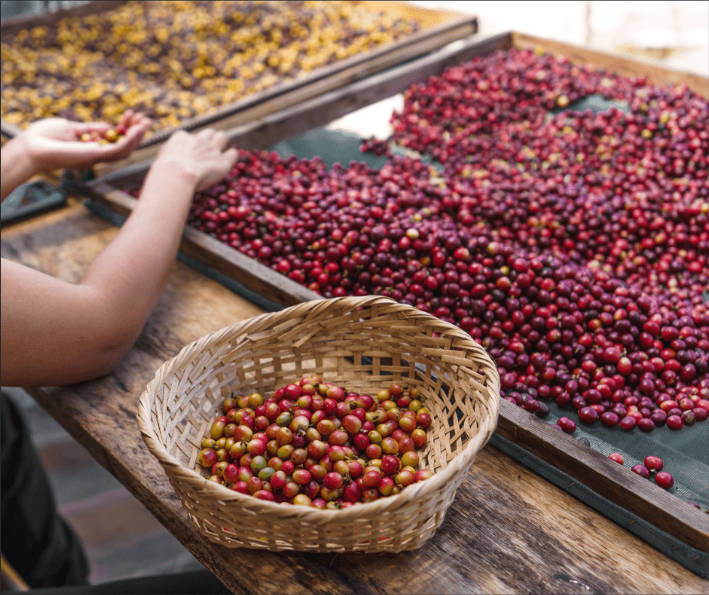
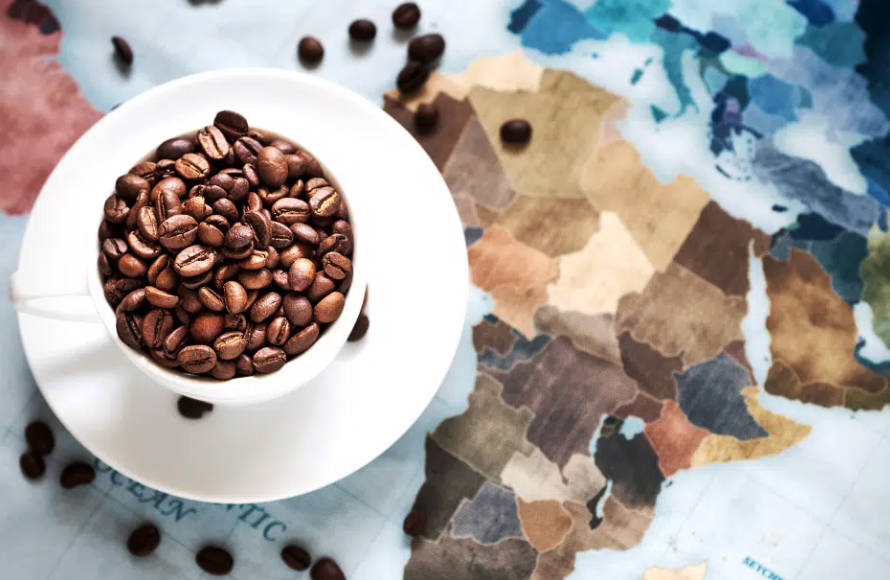
South America is home to some of the world's most popular and consistent coffee-producing countries. From Brazil's nutty, chocolatey coffees to Colombia's balanced, caramel-sweet offerings, South American coffees have earned a reputation for quality and approachability. These coffees are often the foundation of many coffee blends and are beloved by coffee drinkers around the world for their well-rounded flavor profiles.
Brazil: The Coffee Giant
Brazil is the largest coffee producer in the world, accounting for approximately one-third of global production. The country's vast coffee-growing regions and diverse microclimates allow for a wide range of coffee styles, although Brazilian coffees are generally known for their nutty, chocolatey flavors and low acidity.
- Notable Regions: Minas Gerais, São Paulo, Paraná, Espírito Santo
- Flavor Profiles: Brazilian coffees typically feature nutty, chocolatey flavors with low acidity and a smooth, creamy body. Common flavor notes include almond, hazelnut, milk chocolate, and caramel. Some Brazilian coffees, particularly those from higher elevations, may exhibit subtle fruitiness.
- Processing Methods: Brazil utilizes various processing methods including washed (wet), natural (dry), and pulped natural (honey) processing. Natural processed Brazilian coffees often have more fruity flavors and a heavier body, while washed processed coffees are cleaner and more balanced.
- Altitude: Brazilian coffees are grown at a range of altitudes, from sea level to 1,200 meters above sea level. Coffees from higher elevations typically offer more complex flavors and brighter acidity.
Colombia: The Gold Standard
Colombia is renowned for producing some of the world's most consistent and balanced coffees. Colombian coffee has long been considered a gold standard in the industry, with its caramel sweetness, bright citrus acidity, and medium body.
- Notable Regions: Antioquia, Huila, Caldas, Nariño, Tolima
- Flavor Profiles: Colombian coffees are celebrated for their balance, featuring caramel sweetness, bright citrus acidity, and a medium body. Common flavor notes include orange, lemon, caramel, and nut. They typically have a clean, well-rounded finish.
- Processing Methods: Most Colombian coffees are processed using the washed method, which enhances their bright acidity and clarity of flavor. However, some producers are experimenting with natural and honey processing methods to create unique flavor profiles.
- Altitude: Colombian coffees are grown at high altitudes, typically between 1,200 and 2,200 meters above sea level, which contributes to their bright acidity and complex flavors.
Peru: Rising Star
Peru has emerged as a producer of high-quality specialty coffees in recent years. Peruvian coffees are known for their clean, sweet flavor profiles and approachability.
- Notable Regions: Cajamarca, Huánuco, Junín, San Martín
- Flavor Profiles: Peruvian coffees typically feature clean, sweet flavor profiles with notes of chocolate, nuts, and subtle fruitiness. They often have a medium body and balanced acidity, making them very approachable.
- Processing Methods: Peru utilizes various processing methods including washed, natural, and honey processing. Washed processed Peruvian coffees are clean and balanced, while natural processed coffees offer more fruity flavors.
- Altitude: Peruvian coffees are grown at high altitudes, typically between 1,200 and 2,000 meters above sea level, which contributes to their complex flavors and bright acidity.
Ecuador: Underrated Gem
Ecuador is often overlooked in discussions of South American coffee, but the country produces some excellent coffees, particularly from the highlands around Mount Chimborazo.
- Notable Regions: Loja, Chimborazo, Carchi, Pichincha
- Flavor Profiles: Ecuadorian coffees often feature bright acidity with citrus and floral notes, along with chocolate and nut undertones. They typically have a medium body and a clean finish.
- Processing Methods: Ecuador utilizes various processing methods including washed, natural, and honey processing. Washed processed Ecuadorian coffees are clean and bright, while natural processed coffees offer more fruity flavors.
- Altitude: Ecuadorian coffees are grown at high altitudes, typically between 1,200 and 2,000 meters above sea level, which contributes to their complex flavors and bright acidity.
Brewing Recommendations for South American Coffees
South American coffees, with their balanced flavor profiles and approachable characteristics, are well-suited to a wide range of brewing methods:
- French Press: The French press method highlights the rich, chocolatey flavors and creamy body of many South American coffees.
- Drip Coffee Maker: South American coffees are excellent for drip brewing, producing balanced, flavorful cups that appeal to a wide range of palates.
- Espresso: South American coffees are often used as the base for espresso blends, providing a balanced foundation with chocolatey sweetness and moderate acidity.
- Pour Over: While not the most common preparation for South American coffees, pour over can highlight their bright acidity and subtle flavor nuances.
Sustainability in South American Coffee Production
South American coffee-producing countries have made significant strides in promoting sustainability in coffee production:
- Direct Trade: Many specialty coffee roasters work directly with South American coffee farmers, paying premium prices that help improve livelihoods.
- Certifications: Organic, Fair Trade, and Rainforest Alliance certifications are widespread in South American coffee production, helping ensure sustainable practices and fair compensation for farmers.
- Cooperatives: Coffee cooperatives are common in South America, allowing small-scale farmers to pool resources and access better markets.
- Climate Change Adaptation: South American coffee producers are implementing various strategies to adapt to climate change, including shade-grown coffee, water conservation, and the use of climate-resilient coffee varieties.
South American coffees represent some of the most popular and approachable offerings in the specialty coffee world. From Brazil's nutty, chocolatey coffees to Colombia's balanced, caramel-sweet offerings, South American origins continue to delight coffee drinkers with their consistent quality and well-rounded flavor profiles. Whether used as a single-origin or as part of a blend, South American coffees form the backbone of many coffee programs around the world.