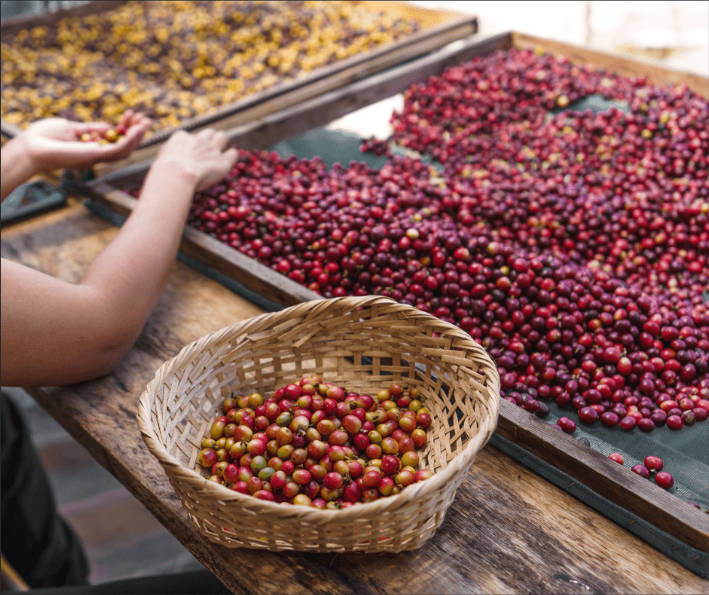
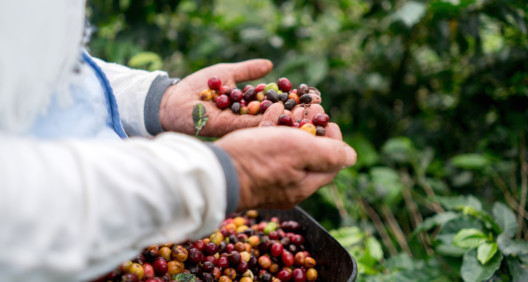
Africa is widely recognized as the birthplace of coffee, with Ethiopia being the legendary home of the coffee plant. Today, African coffees are celebrated worldwide for their exceptional quality, distinctive flavor profiles, and unique characteristics. From the floral and fruity notes of Ethiopian coffees to the wine-like complexity of Kenyan offerings, African coffee origins produce some of the most sought-after and distinctive coffees in the world.
Ethiopia: The Cradle of Coffee
Ethiopia holds a special place in coffee history as the country where the coffee plant (Coffea arabica) is believed to have originated. The story goes that a goat herder named Kaldi discovered coffee after noticing his goats became energetic after eating the berries of a certain plant.
- Notable Regions: Yirgacheffe, Sidama, Guji, Harrar, Limu
- Flavor Profiles: Ethiopian coffees are renowned for their complex, fruity, and floral characteristics. Yirgacheffe coffees often feature jasmine and blueberry notes, while Sidama coffees offer citrus and floral aromas. Harrar coffees, typically processed naturally, have wine-like complexity with berry and chocolate notes.
- Processing Methods: Ethiopia utilizes various processing methods including washed (wet), natural (dry), and honey processing, each contributing to different flavor profiles.
- Altitude: Ethiopian coffees are grown at high altitudes, typically between 1,500 and 2,200 meters above sea level, which contributes to their bright acidity and complex flavors.
Kenya: Wine-Like Complexity
Kenya has established itself as a producer of some of the world's most distinctive and high-quality coffees. Kenyan coffee is known for its bright acidity, wine-like complexity, and distinctive blackcurrant notes.
- Notable Regions: Central Highlands, Rift Valley, Mt. Kenya, Aberdare Range
- Flavor Profiles: Kenyan coffees are celebrated for their bright acidity, often described as wine-like, with distinctive blackcurrant and citrus notes. They typically have a medium to full body with a clean, complex finish.
- Processing Methods: Most Kenyan coffees are processed using the washed method, which enhances their bright acidity and clarity of flavor. The country has a strict coffee grading system that ensures quality.
- Altitude: Kenyan coffees are grown at high altitudes, between 1,400 and 2,000 meters above sea level, which contributes to their exceptional quality and flavor complexity.
Rwanda: Emerging Excellence
Rwanda has emerged in recent years as a producer of high-quality specialty coffees. Despite a tragic history with the 1994 genocide, the country has rebuilt its coffee industry with a focus on quality and sustainability.
- Notable Regions: Eastern Province, Northern Province, Southern Province
- Flavor Profiles: Rwandan coffees often feature bright acidity, clean flavors, and floral aromas. They typically have notes of citrus, berry, and chocolate with a medium body and a clean finish.
- Processing Methods: Most Rwandan coffees are processed using the washed method, although some producers are experimenting with honey and natural processing methods.
- Altitude: Rwandan coffees are grown at high altitudes, between 1,600 and 2,200 meters above sea level, which contributes to their bright acidity and complex flavors.
Tanzania: Distinctive Profiles
Tanzania produces coffees that are often overshadowed by their Ethiopian and Kenyan neighbors but offer distinctive and enjoyable flavor profiles in their own right.
- Notable Regions: Kilimanjaro, Arusha, Mbeya, Morogoro
- Flavor Profiles: Tanzanian coffees often feature bright acidity with citrus and berry notes, similar to Kenyan coffees but with a slightly softer profile. They typically have a medium body with chocolate and nut undertones.
- Processing Methods: Most Tanzanian coffees are processed using the washed method, although some natural processed coffees are also produced.
- Altitude: Tanzanian coffees are grown at high altitudes, between 1,200 and 2,000 meters above sea level, with coffees from higher elevations typically offering more complex flavors.
Brewing Recommendations for African Coffees
African coffees, with their bright acidity and complex flavors, are particularly well-suited to certain brewing methods:
- Pour Over: The pour over method highlights the bright acidity and complex flavors of African coffees, allowing their distinctive characteristics to shine through.
- AeroPress: The AeroPress can bring out the fruity and floral notes of African coffees while maintaining a clean finish.
- Espresso: African coffees can produce exceptional espresso with bright acidity and complex flavor profiles, although they may require careful dialing in.
- Cold Brew: While not the most common preparation for African coffees, cold brew can highlight their sweet, fruity characteristics with less acidity.
Sustainability in African Coffee Production
Many African coffee-producing countries face significant challenges, including poverty, infrastructure limitations, and climate change. However, there are numerous initiatives aimed at promoting sustainability in African coffee production:
- Direct Trade: Many specialty coffee roasters work directly with African coffee farmers, paying premium prices that help improve livelihoods.
- Certifications: Organic, Fair Trade, and Rainforest Alliance certifications help ensure sustainable practices and fair compensation for farmers.
- Training Programs: Various organizations provide training to African coffee farmers on best practices for cultivation, processing, and quality control.
- Investment in Infrastructure: Improvements in processing facilities, drying beds, and transportation infrastructure help enhance coffee quality and reduce post-harvest losses.
African coffees represent some of the most distinctive and high-quality offerings in the specialty coffee world. From the floral and fruity notes of Ethiopian Yirgacheffe to the wine-like complexity of Kenyan coffees, African origins continue to delight coffee enthusiasts with their unique and diverse flavor profiles. By understanding the characteristics of different African coffee regions, you can better appreciate the remarkable diversity that this continent brings to the world of coffee.