The Asia Pacific region produces some of the world's most distinctive and recognizable coffees. From Indonesia's earthy, spicy Sumatran coffees to India's complex, fruity offerings, Asia Pacific coffees offer a wide range of unique flavor profiles that stand out from other regions. These coffees are often characterized by their full body, low acidity, and distinctive earthy or herbal notes.
Indonesia: Earthy and Spicy
Indonesia is renowned for producing some of the world's most distinctive coffees. The country's unique processing methods and growing conditions contribute to the earthy, spicy flavor profiles that Indonesian coffees are known for.
- Notable Regions: Sumatra, Java, Sulawesi, Bali
- Flavor Profiles: Indonesian coffees are renowned for their earthy, herbal flavors with low acidity and a full body. Sumatran coffees often feature notes of cedar, clove, and dark chocolate, while Javanese coffees can be cleaner and more balanced. Sulawesi coffees typically have a herbal complexity with a creamy body.
- Processing Methods: Indonesia is known for its unique wet-hulled (Giling Basah) processing method, which contributes to the earthy flavor profile of many Indonesian coffees. This method involves removing the cherry and parchment while the coffee is still moist, which affects the flavor development.
- Altitude: Indonesian coffees are grown at a range of altitudes, from sea level to 1,500 meters above sea level. Coffees from higher elevations typically offer more complex flavors.
India: Diverse and Complex
India is a diverse coffee-producing country with a range of flavor profiles that vary by region. Indian coffee has gained recognition in recent years for its quality and distinctive characteristics.
- Notable Regions: Karnataka, Kerala, Tamil Nadu, Araku Valley
- Flavor Profiles: Indian coffees offer a wide range of flavor profiles, from earthy and spicy to fruity and floral. Karnataka coffees often feature chocolate and nut notes with moderate acidity, while Araku Valley coffees can be more fruity and complex with bright acidity.
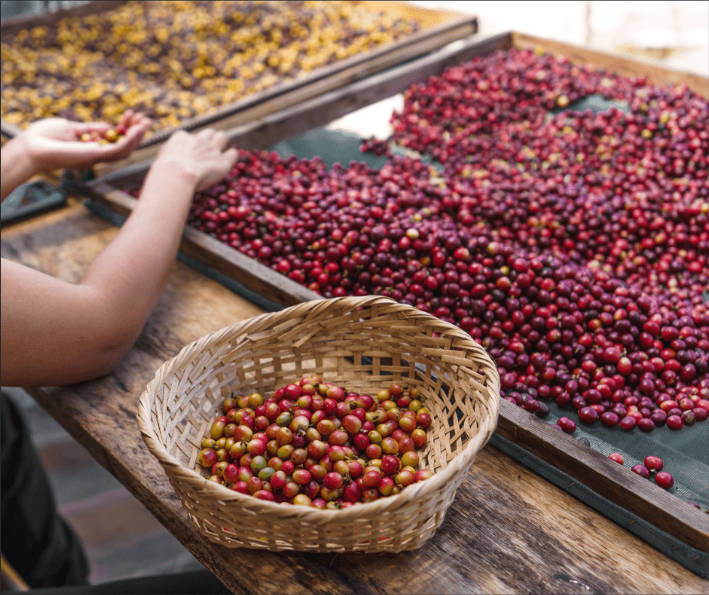
- Processing Methods: India utilizes various processing methods including washed (wet), natural (dry), and honey processing. Washed processed Indian coffees are clean and balanced, while natural processed coffees offer more fruity flavors.
- Altitude: Indian coffees are grown at a range of altitudes, from 800 to 1,800 meters above sea level. Coffees from higher elevations typically offer more complex flavors and brighter acidity.
Papua New Guinea: Bright and Fruity
Papua New Guinea (PNG) has emerged as a producer of high-quality specialty coffees in recent years. PNG coffees often feature bright acidity and fruity flavors that set them apart from other Asia Pacific coffees.
- Notable Regions: Eastern Highlands, Western Highlands, Simbu Province
- Flavor Profiles: PNG coffees often feature bright acidity with fruity and floral notes, along with chocolate and nut undertones. Common flavor notes include citrus, berry, chocolate, and nut. They typically have a medium to full body and a clean finish.
- Processing Methods: PNG utilizes various processing methods including washed (wet), natural (dry), and honey processing. Washed processed PNG coffees are clean and bright, while natural processed coffees offer more fruity flavors.
- Altitude: PNG coffees are grown at high altitudes, typically between 1,200 and 1,800 meters above sea level, which contributes to their bright acidity and complex flavors.
Australia: Emerging Producer
Australia is a relatively small but emerging coffee producer, known for its high-quality, specialty-grade coffees. Australian coffee is often characterized by its clean flavors and balanced profiles.
- Notable Regions: Queensland, New South Wales, Victoria
- Flavor Profiles: Australian coffees often feature clean, balanced flavor profiles with moderate acidity and a medium body. Common flavor notes include chocolate, nut, and subtle fruitiness. They typically have a clean finish.
- Processing Methods: Australia utilizes various processing methods including washed (wet), natural (dry), and honey processing. Australian producers often employ innovative processing techniques to enhance flavor.
- Altitude: Australian coffees are grown at a range of altitudes, from sea level to 1,000 meters above sea level. While not as high as some other coffee-producing regions, the unique climate and soil conditions contribute to the quality of Australian coffee.
Brewing Recommendations for Asia Pacific Coffees
Asia Pacific coffees, with their distinctive flavor profiles and full body, are well-suited to certain brewing methods:
- French Press: The French press method highlights the rich, full body and earthy flavors of many Asia Pacific coffees.
- Cold Brew: Asia Pacific coffees, particularly Indonesian varieties, make excellent cold brew with their low acidity and rich, earthy flavors.
- Espresso: Asia Pacific coffees can be used in espresso blends to add body and earthy complexity, although they may require careful dialing in.
- Drip Coffee Maker: Asia Pacific coffees are suitable for drip brewing, producing balanced cups with their distinctive flavor profiles.
Sustainability in Asia Pacific Coffee Production
Asia Pacific coffee-producing countries face various challenges, including poverty, infrastructure limitations, and climate change. However, there are numerous initiatives aimed at promoting sustainability in Asia Pacific coffee production:
- Direct Trade: Many specialty coffee roasters work directly with Asia Pacific coffee farmers, paying premium prices that help improve livelihoods.
- Certifications: Organic, Fair Trade, and Rainforest Alliance certifications help ensure sustainable practices and fair compensation for farmers.
- Training Programs: Various organizations provide training to Asia Pacific coffee farmers on best practices for cultivation, processing, and quality control.
- Investment in Infrastructure: Improvements in processing facilities, drying beds, and transportation infrastructure help enhance coffee quality and reduce post-harvest losses.
Asia Pacific coffees represent some of the most distinctive and recognizable offerings in the specialty coffee world. From Indonesia's earthy, spicy Sumatran coffees to India's diverse range of flavors and Papua New Guinea's bright, fruity offerings, Asia Pacific origins continue to delight coffee enthusiasts with their unique and varied flavor profiles. These coffees offer a different experience from the bright, fruity coffees of Africa or the balanced offerings of the Americas, making them an important part of the global coffee landscape.