Cold brew coffee has gained immense popularity in recent years, and for good reason. This brewing method produces a smooth, low-acidity coffee concentrate that's perfect for hot summer days or as a base for delicious coffee drinks. Unlike iced coffee, which is typically hot brewed coffee poured over ice, cold brew is steeped in cold water for an extended period, resulting in a uniquely flavorful beverage.
The Science Behind Cold Brew
Cold brew coffee is made using time and cold water rather than heat. Here's what makes it special:
- Low Acidity: Cold water extracts fewer acidic compounds from the coffee beans, resulting in a smoother, less bitter cup.
- Slow Extraction: The extended steeping time allows for a more controlled extraction of flavors.
- Concentrated Base: Cold brew is typically made as a concentrate that can be diluted to taste.
- Versatility: The concentrate can be used in a variety of ways, from iced coffee to lattes.
Essential Cold Brew Equipment
You don't need fancy equipment to make cold brew at home. Here's what you'll need:
- Container: A large jar, pitcher, or dedicated cold brew maker.
- Filter: Cheesecloth, coffee filters, a fine-mesh sieve, or the built-in filter of a cold brew maker.
- Grinder: A burr grinder for consistent, coarse grinds.
- Scale: Optional but recommended for precise measurements.
- Spoon: For stirring the coffee and water.
Step-by-Step Cold Brew Guide
Follow these steps to make delicious cold brew coffee:
- Grind: Grind your coffee to a coarse consistency, similar to sea salt. A coarse grind is essential to prevent over-extraction and reduce sediment.
- Measure: Use a coffee-to-water ratio of 1:4 to 1:5 for a concentrate. For example, use 100 grams of coffee for 400-500 grams of water.
- Combine: Place the ground coffee in your container and add cold, filtered water. Stir gently to ensure all grounds are saturated.
- Steep: Cover the container and let it steep at room temperature or in the refrigerator for 12-24 hours. The longer you steep, the stronger the concentrate will be.
- Filter: After steeping, strain the coffee through your chosen filter into a clean container. For a clearer brew, you may want to double-filter through a coffee filter.
- Dilute: When ready to drink, dilute the concentrate with water, milk, or ice to taste. A common ratio is 1 part concentrate to 1-2 parts liquid.
- Store: Keep the unused concentrate in an airtight container in the refrigerator for up to 2 weeks.
Troubleshooting Common Issues
Here are solutions to some common cold brew problems:
- Weak Flavor: This is often caused by insufficient steeping time or using too little coffee. Try steeping for longer or increasing the coffee-to-water ratio.
- Too Bitter: This can result from using a grind that's too fine or steeping for too long. Try using a coarser grind or reducing the steeping time.
- Too Much Sediment: This is usually caused by using a grind that's too fine or inadequate filtering. Use a coarser grind and consider double-filtering.
- Sour Taste: This can happen if the coffee is under-extracted. Try using a slightly finer grind or steeping for longer.
Cold Brew Variations
Once you've mastered the basic cold brew, try these variations:
- Nitro Cold Brew: Infuse your cold brew with nitrogen for a creamy, Guinness-like texture.
- Cold Brew Latte: Mix your concentrate with steamed milk for a creamy treat.
- Flavored Cold Brew: Add vanilla beans, cinnamon sticks, or other flavorings during the steeping process.
- Cold Brew Float: Top your cold brew with a scoop of coffee ice cream.
- Iced Mocha: Mix your concentrate with chocolate syrup and milk over ice.
Coffee Selection for Cold Brew
Not all coffees are created equal when it comes to cold brew. Here are some recommendations:
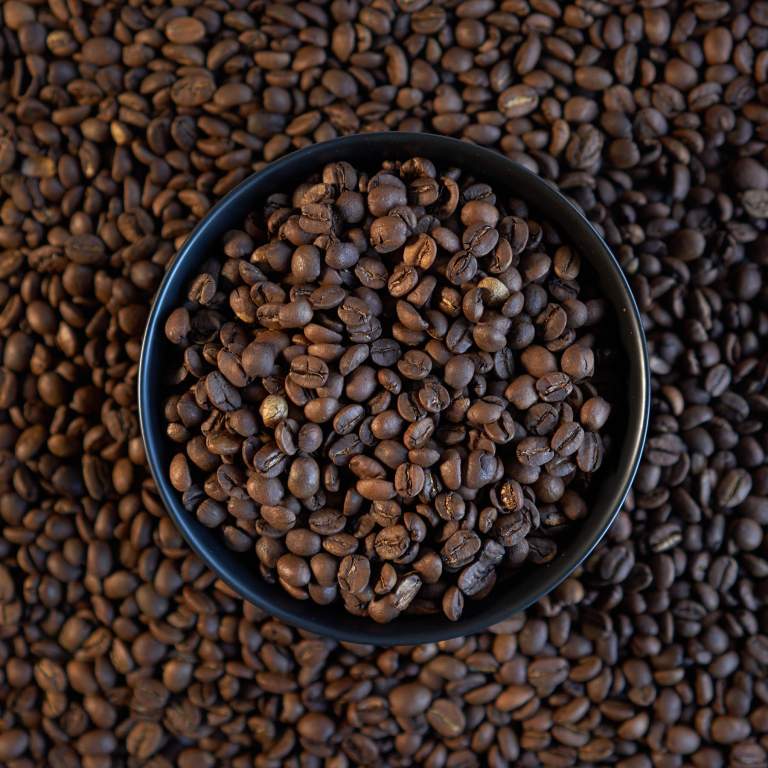
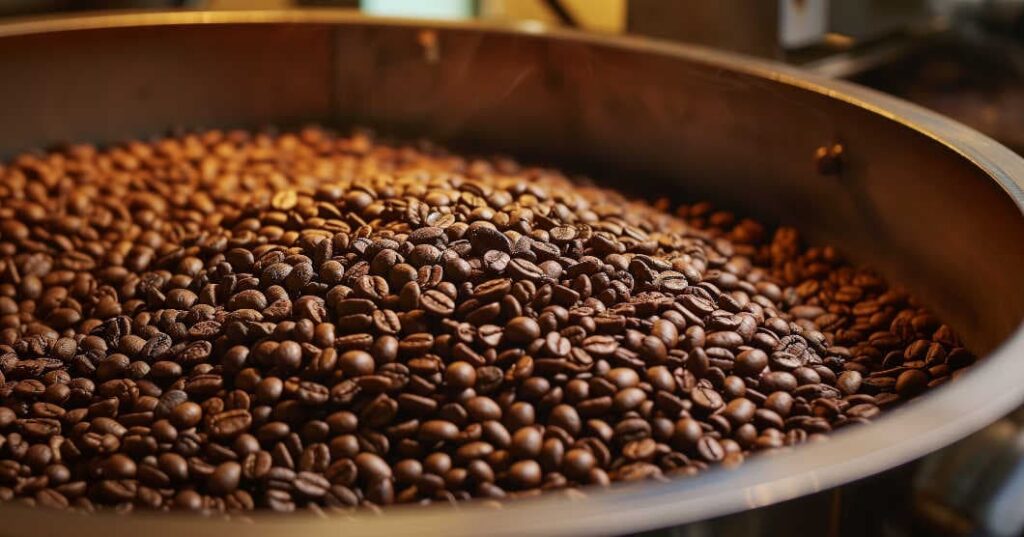
- Dark Roasts: Often preferred for cold brew due to their bold, chocolatey flavors.
- Medium Roasts: Can offer a balanced flavor profile with subtle fruity notes.
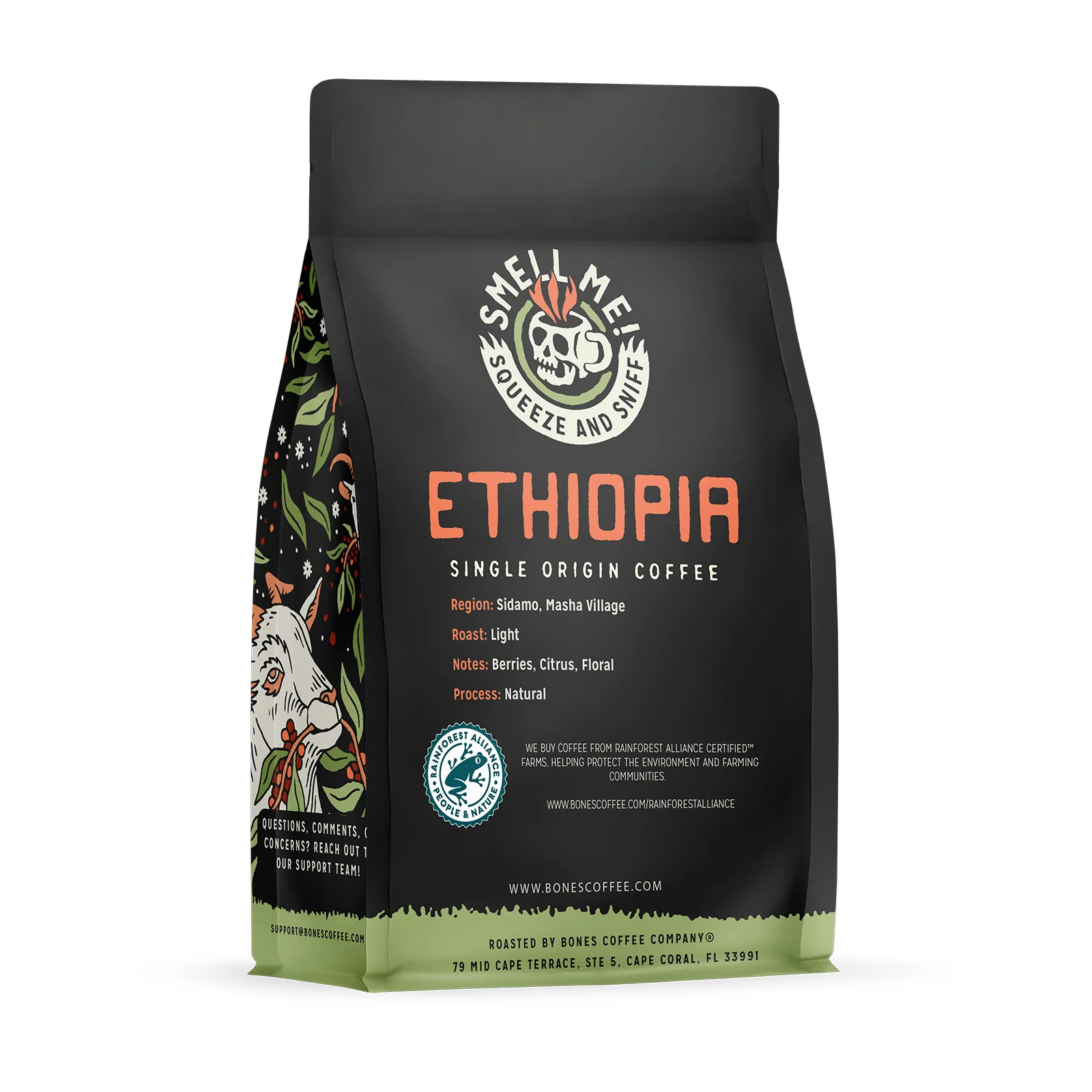
- Single-Origin vs. Blend: Experiment with both to find your preference. Blends often create a well-rounded flavor profile.
- Freshness: Use freshly roasted beans (1-2 weeks old) for the best flavor.
Cleaning and Maintenance
Proper cleaning is important for making great cold brew:
- Immediate Cleaning: After filtering, rinse your equipment immediately to prevent coffee oils from building up.
- Deep Cleaning: Periodically clean your cold brew equipment with warm, soapy water. For stubborn stains, use a mixture of baking soda and water.
- Filter Care: If using reusable filters, wash them thoroughly after each use and allow them to dry completely.
- Storage: Store your equipment in a clean, dry place when not in use.
Cold brew coffee is a versatile and delicious brewing method that's perfect for coffee lovers who prefer a smoother, less acidic cup. With a little patience and experimentation, you can create café-quality cold brew in the comfort of your own home.